Written by Canadian SportWORKS Officer, Talvir Singh
Talvir’s international experiential learning experience is funded by the Queen Elizabeth Scholars (QES) Program. This collaborative initiative is made possible through the leadership of the Rideau Hall Foundation, in collaboration with Community Foundations of Canada, Universities Canada, and Canadian universities. Through its promotion of international student exchange and civic engagement, the QES program is helping to grow young Canadians into global citizens while promoting Canada as a destination for the world’s top talent and attracting top talent and international research leaders to Canada.
Some of the most meaningful experiences during my time in Kenya did not take place in stadiums or competitive environments. They happened in forests, classrooms, and community spaces where movement became something much deeper than physical activity. Being part of Cheza Healthy made it possible to see how sport can create connection, restore confidence, and open pathways for people across very different stages of life.
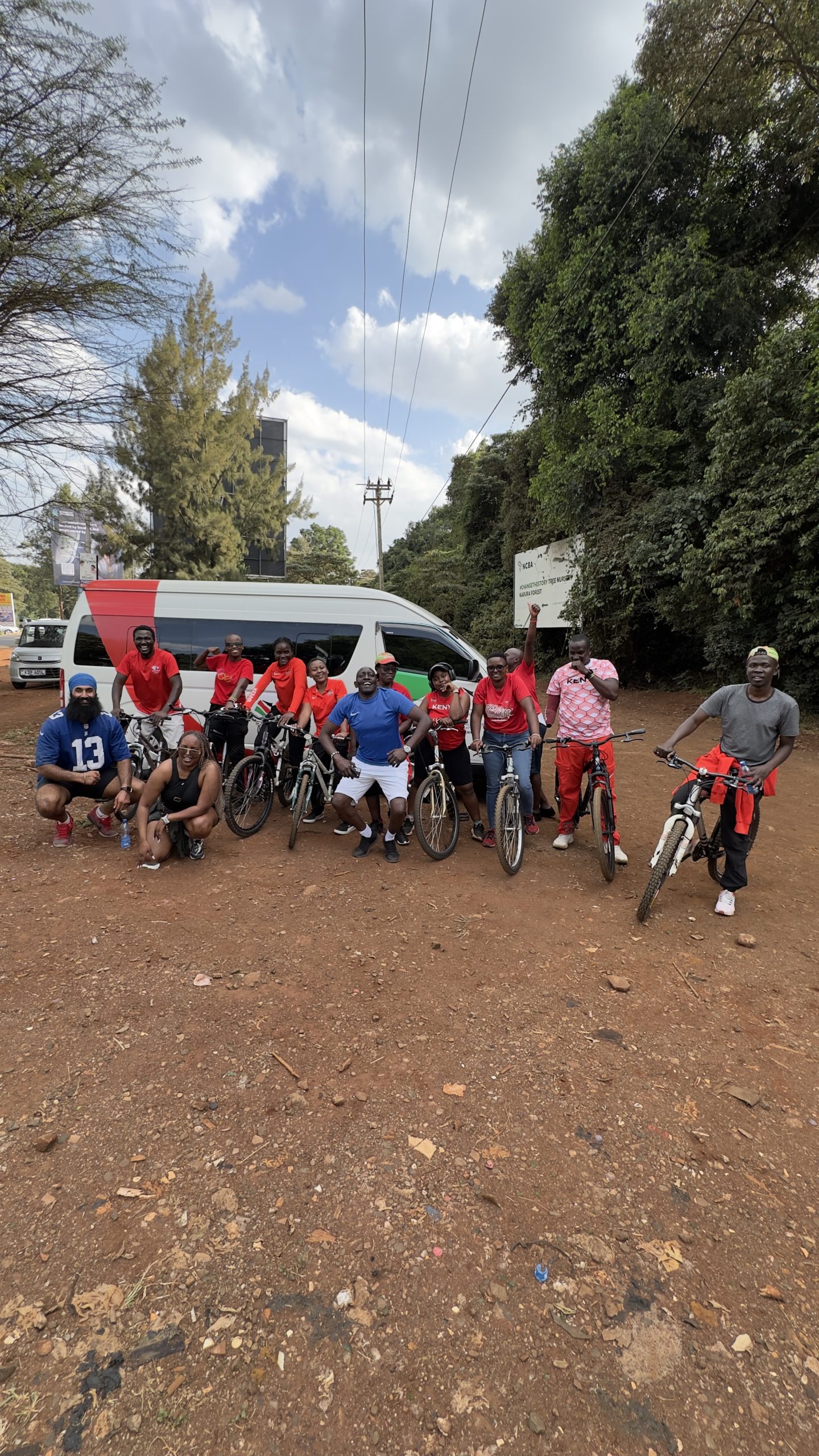
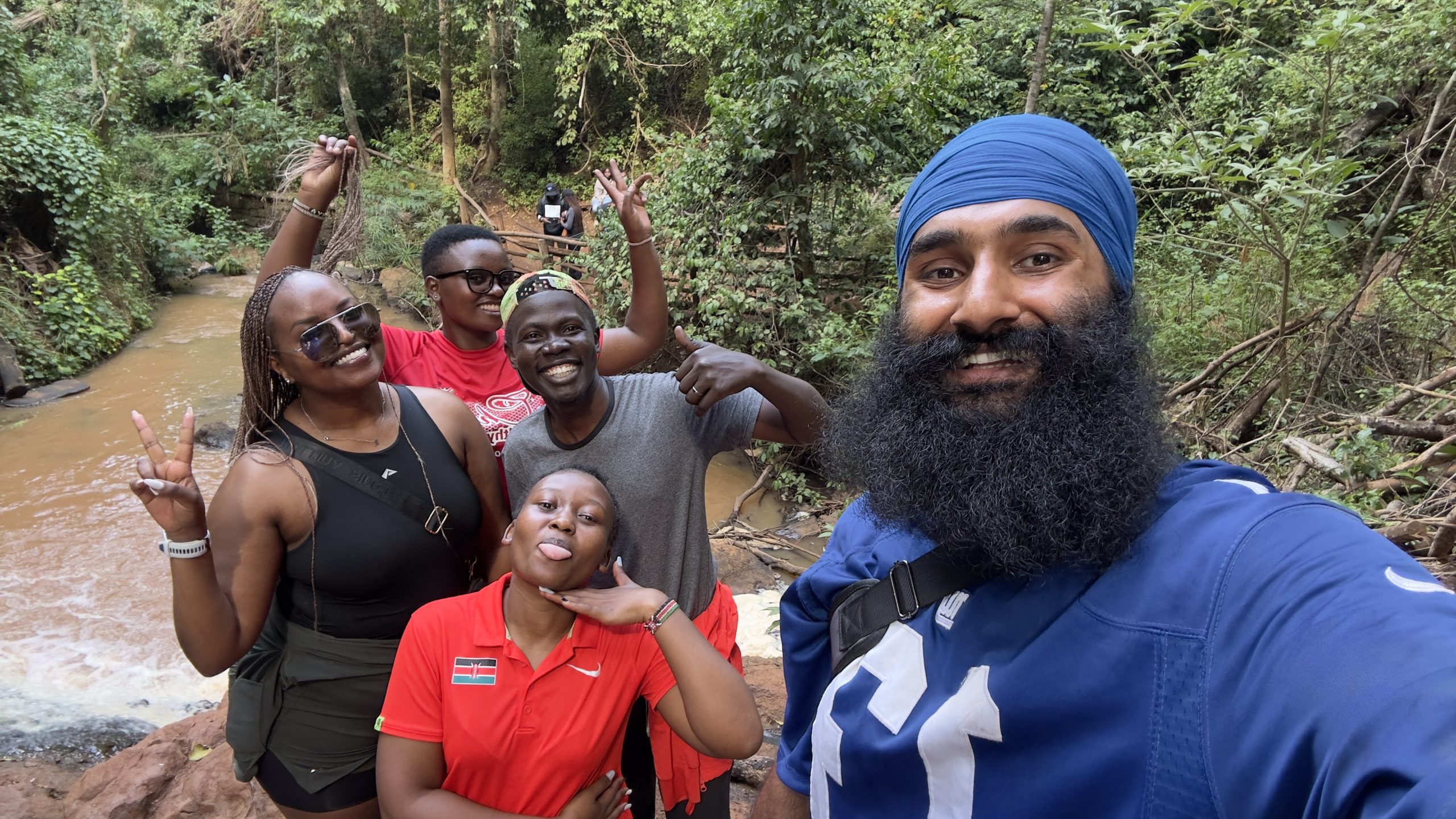
One of the first experiences that stayed with me was our team ride at Karura Forest. At first, it seemed like a simple cycling activity, but it quickly became something much more important. The day itself required coordination, adjusting schedules, organizing transport, and working around unexpected challenges with equipment rentals. People arrived with different levels of cycling experience, and even when a few unfortunate injuries occurred, the group stayed together. No one was left behind. Instead of stopping progress, those moments strengthened the sense of unity within the team.
What stood out most was how naturally everyone adapted. Plans changed, responsibilities shifted, and people supported each other without hesitation. It became clear that movement is not something negotiable or optional. It is essential. The ride reflected something deeper about teamwork and commitment. Even when circumstances are not ideal, people can still come together through shared effort and shared purpose. That day reinforced the idea that health promotion begins with participation and trust before anything else.
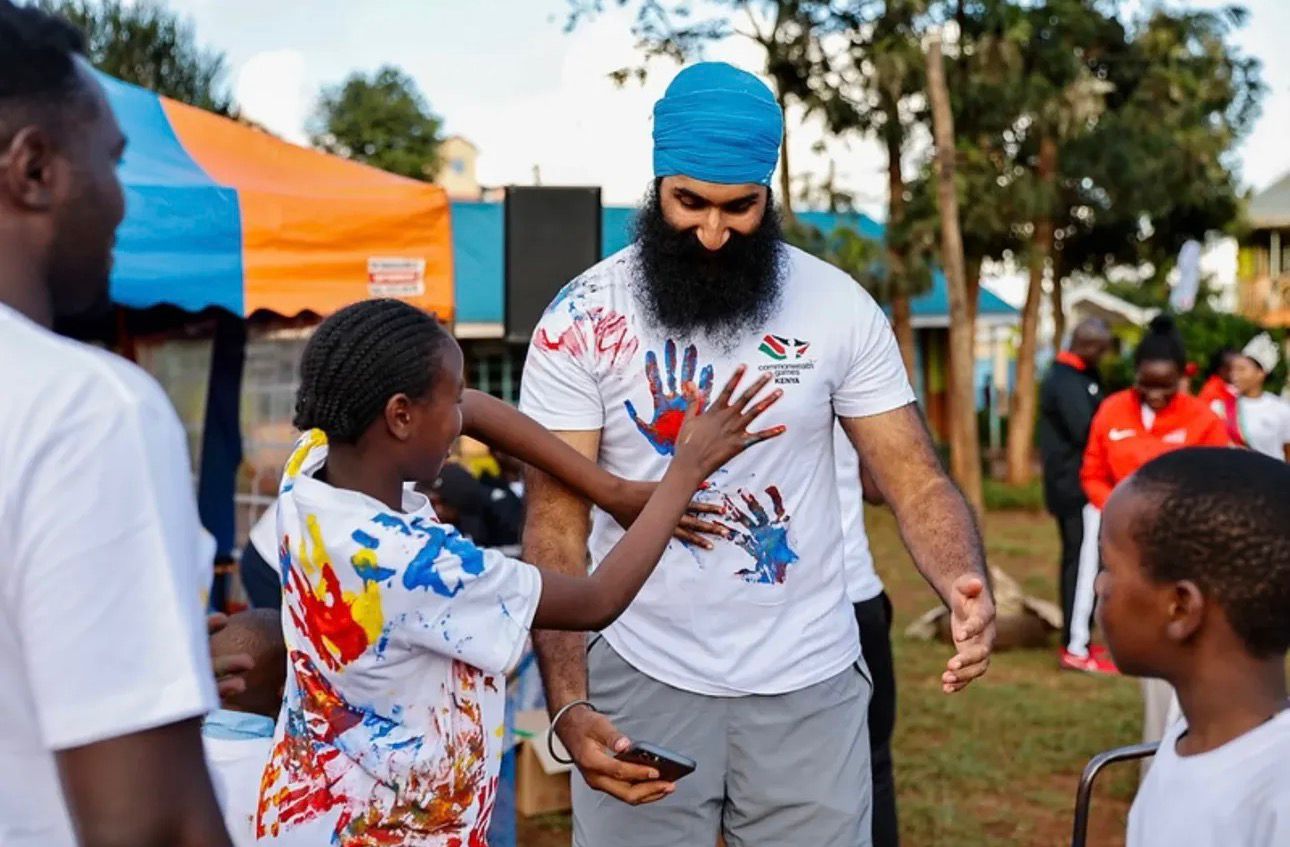
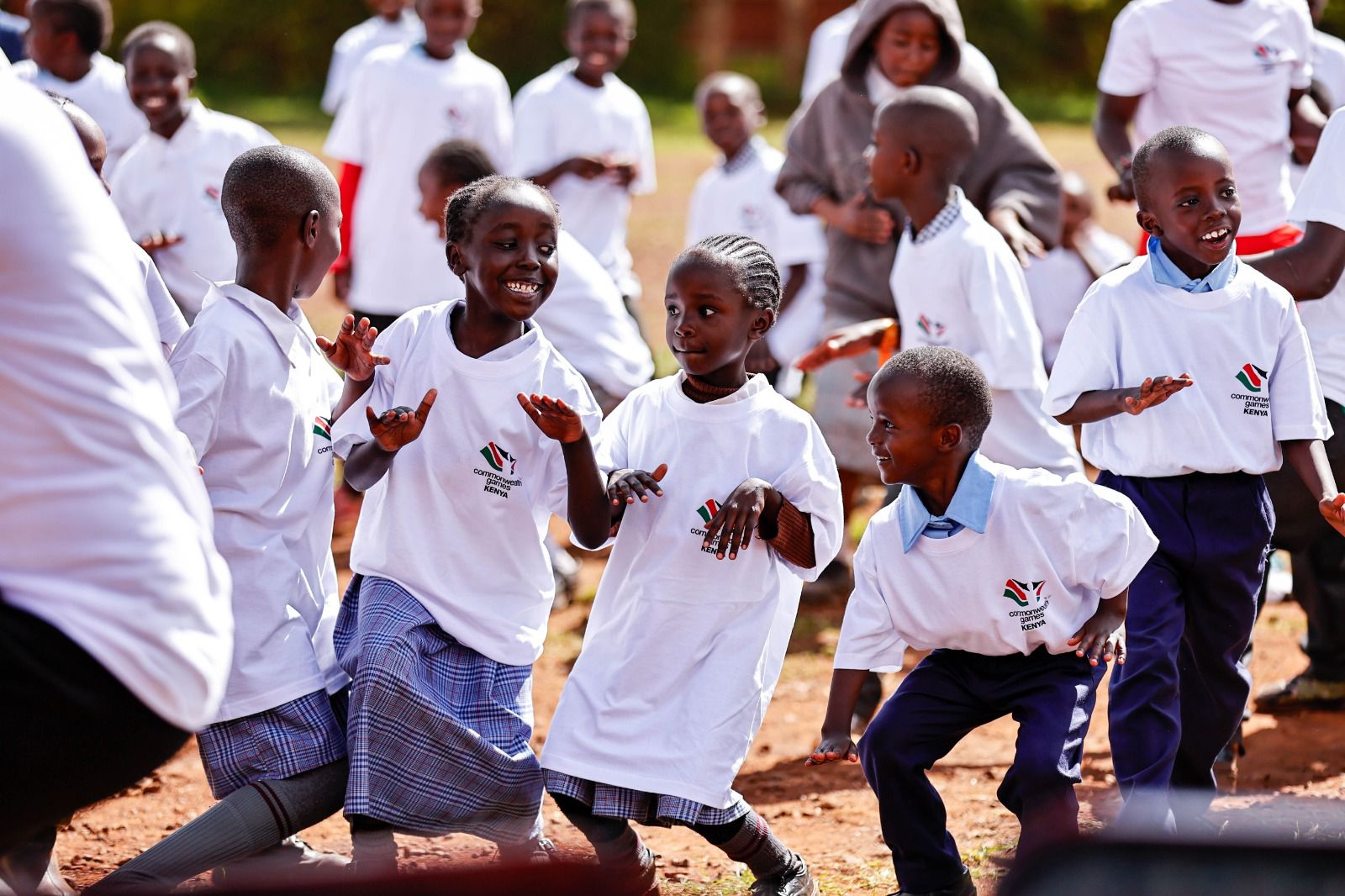
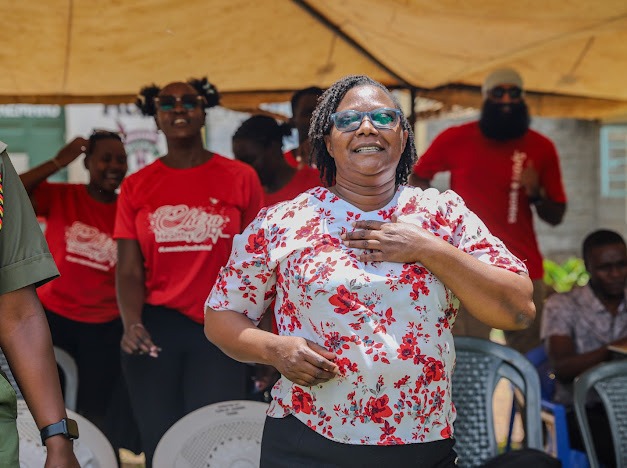
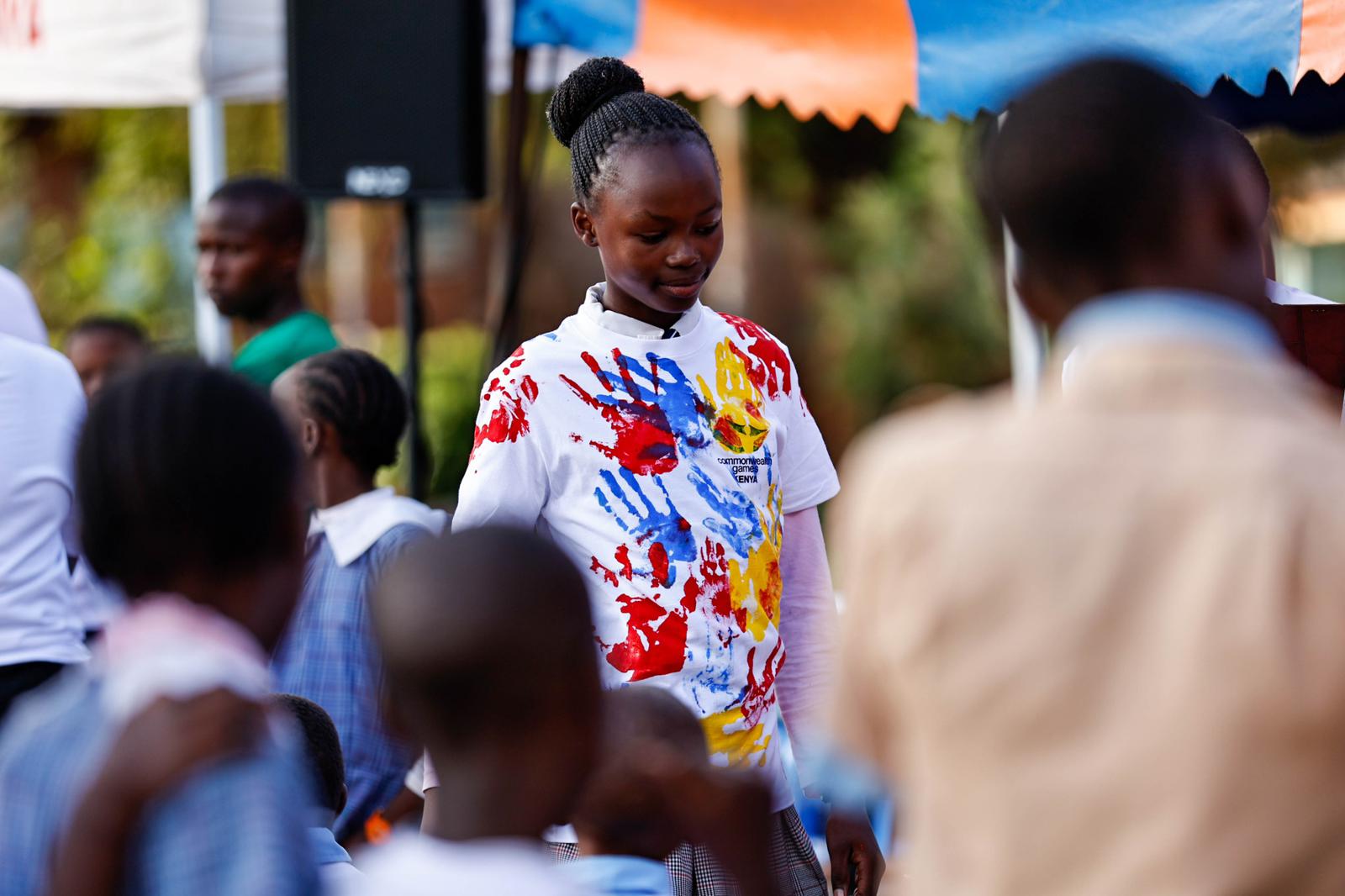
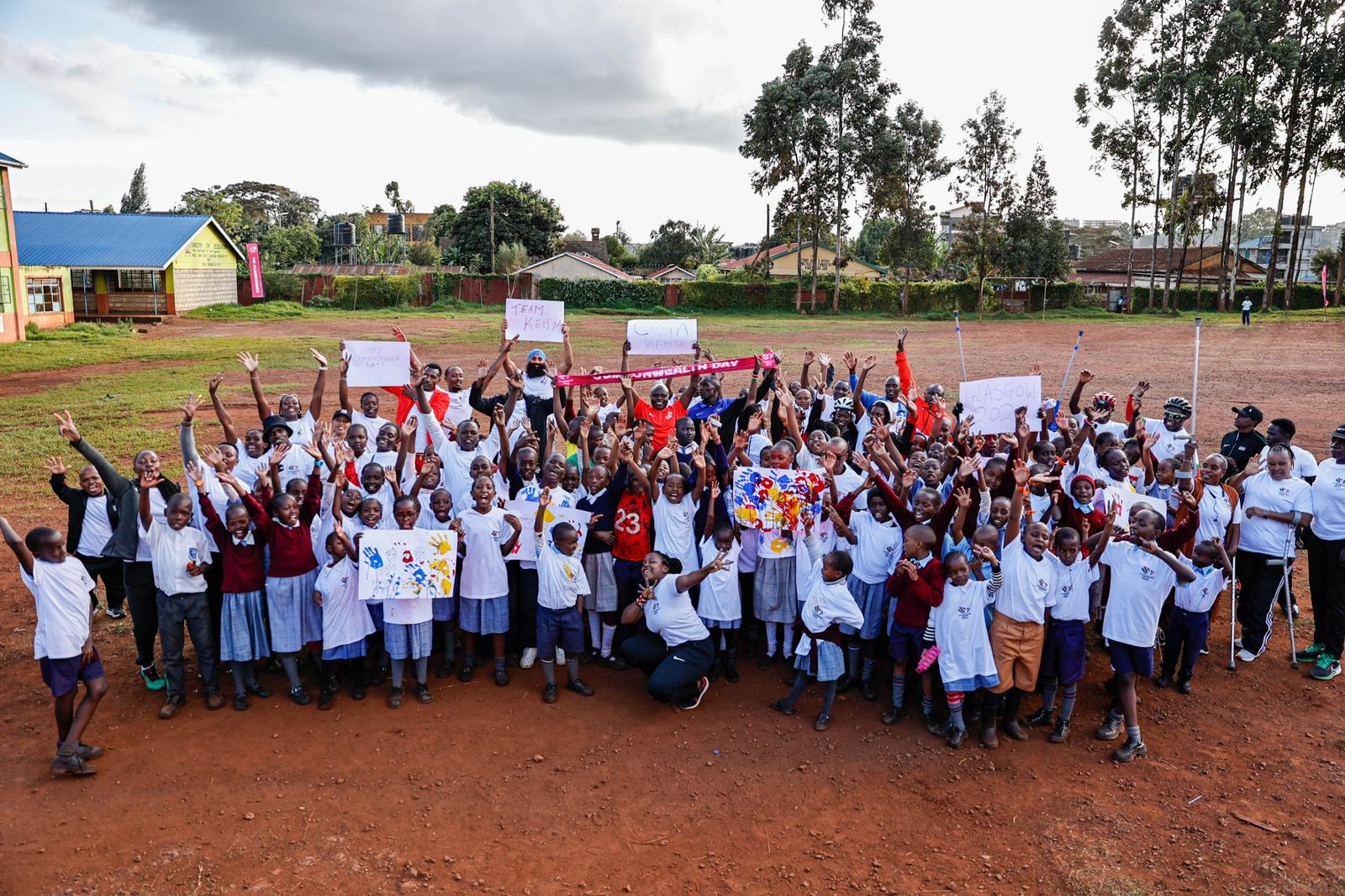
Commonwealth Day created another experience that captured the heart of what Cheza Healthy represents. Supporting the mini games at the primary school meant working directly with students through relay races, leadership-based team challenges, dancing activities, treasure hunts, and creative t-shirt painting sessions. One of the most memorable activities involved teams working together to move a ball across space and return it successfully, which encouraged cooperation rather than competition. Watching students organize themselves around team leaders showed how naturally young people respond when they are given responsibility and space to lead.
What made that day especially meaningful was the curiosity and openness of the students themselves. Many of them came forward to ask questions about where I was from, what languages I spoke, and even why my beard looked the way it did. Those conversations were small, but they carried real significance. They reminded me that these are still children full of imagination and possibility. They are at a stage in life where encouragement can shape confidence for years to come. Seeing them follow their team leaders, paint handprints on shirts, and celebrate each other’s participation showed how powerful inclusive movement experiences can be when children feel seen and supported.
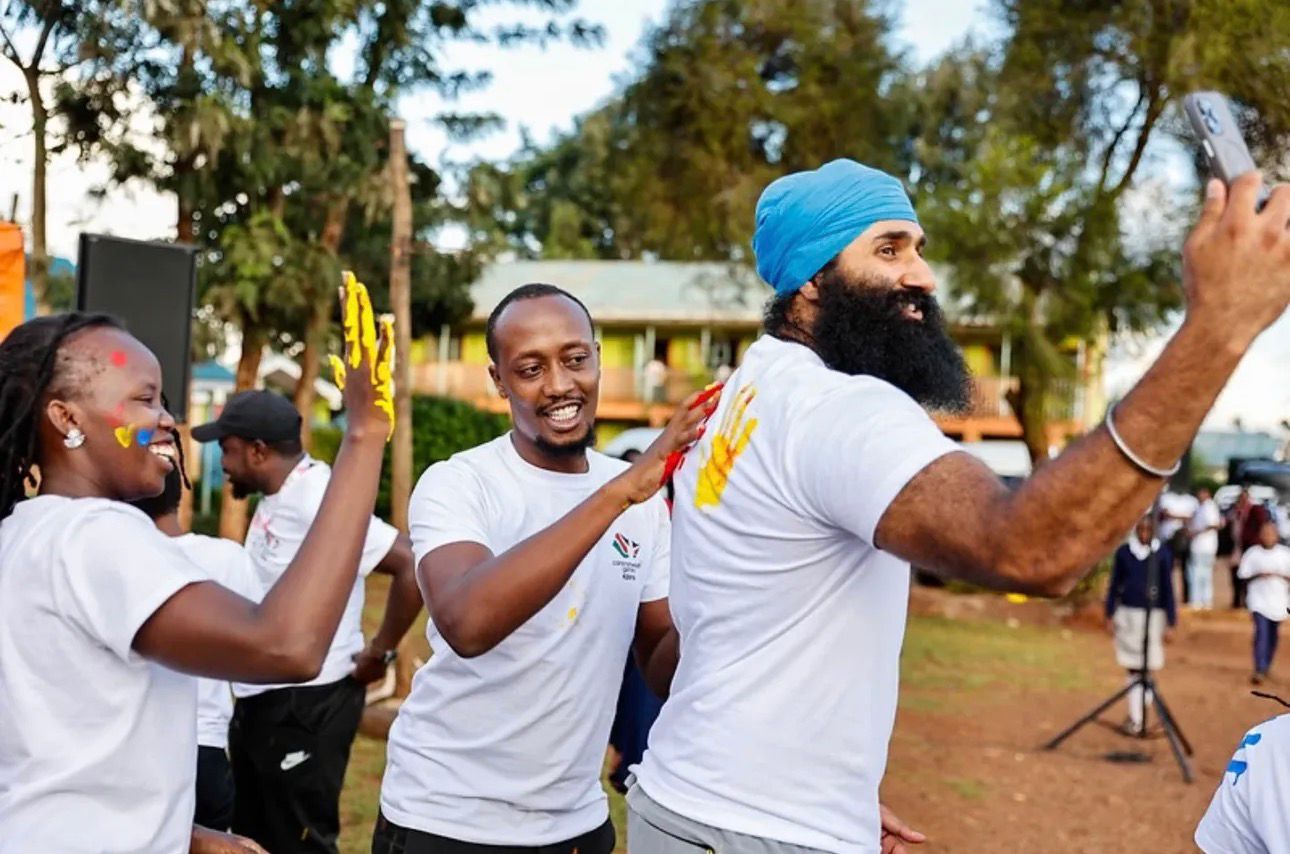
Moments like that reinforce why early exposure to physical activity matters so much. When young people associate movement with enjoyment, belonging, and teamwork rather than pressure or comparison, they are more likely to stay active throughout their lives. Those early experiences help shape identity. They create confidence not only in sport but in classrooms, friendships, and future leadership roles as well.
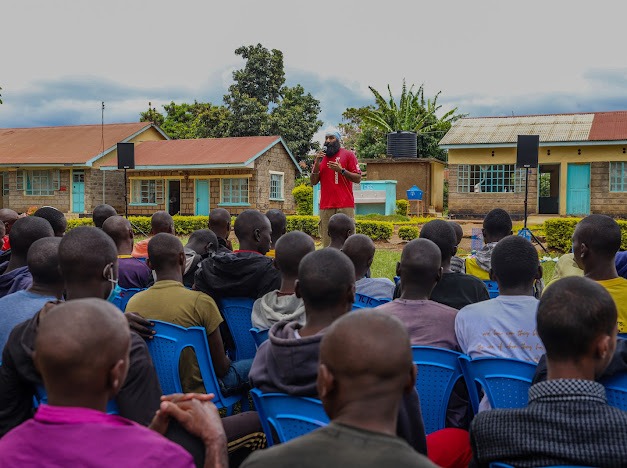
Our visit to the Kamiti Youth Correctional Training Centre added another layer of understanding to what sport can represent in a community setting. That experience carried a different emotional weight. Sitting with the youth and speaking with them created space for honest conversation and reflection. It became clear that many of them were simply young people who had made one difficult decision that changed the direction of their lives. Seeing them in that environment reminded me how important it is to recognize that mistakes do not define a person permanently.
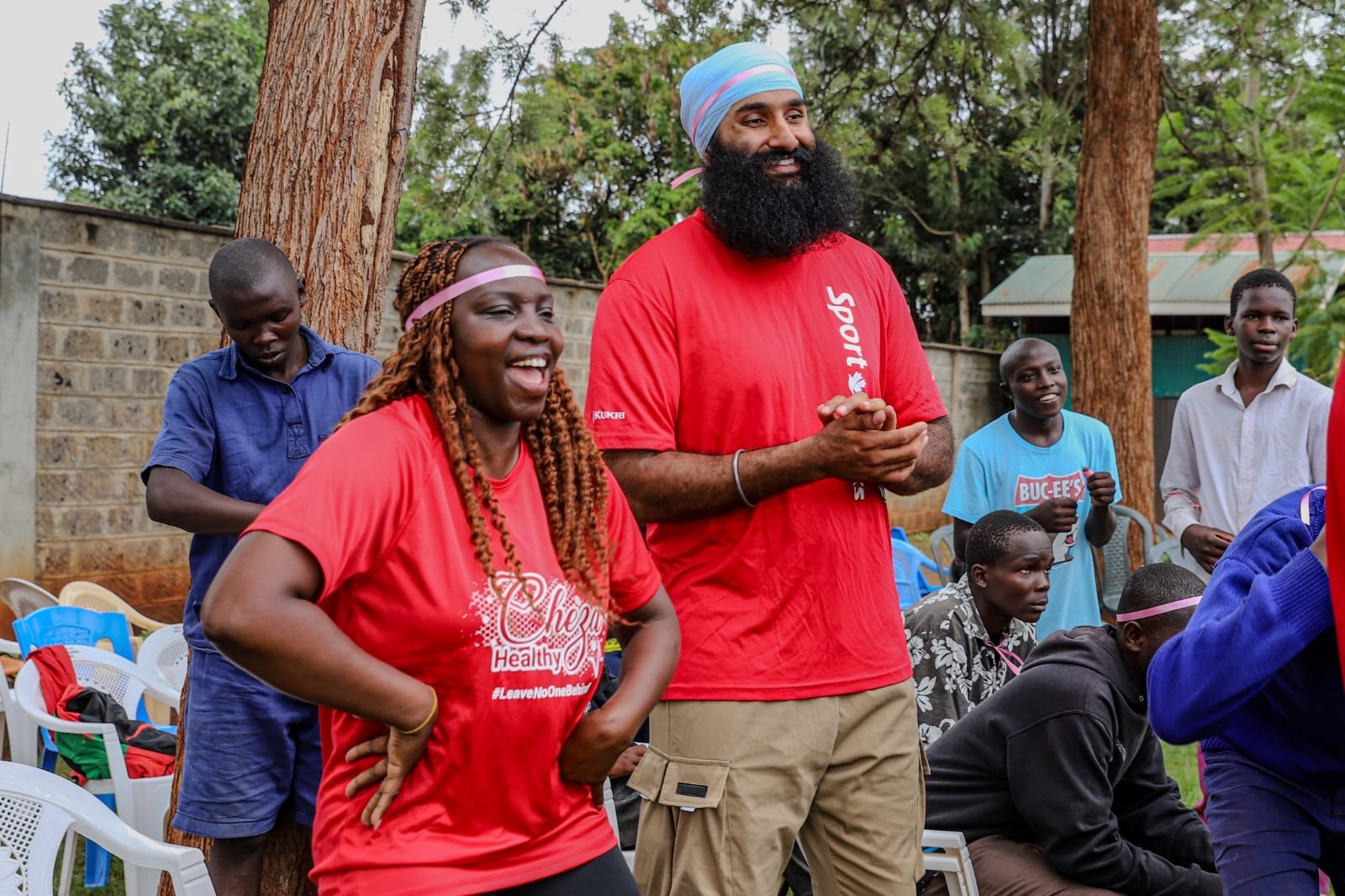
Sport in that setting became a bridge. It created opportunities for connection and understanding between them and us. It allowed everyone present to see each other not through labels or assumptions but through shared humanity. Movement helped create structure, expression, and dignity in a place where opportunity can sometimes feel limited. It showed how important second chances are and how programs like Cheza Healthy can help restore confidence and direction for young people who still can reshape their future.
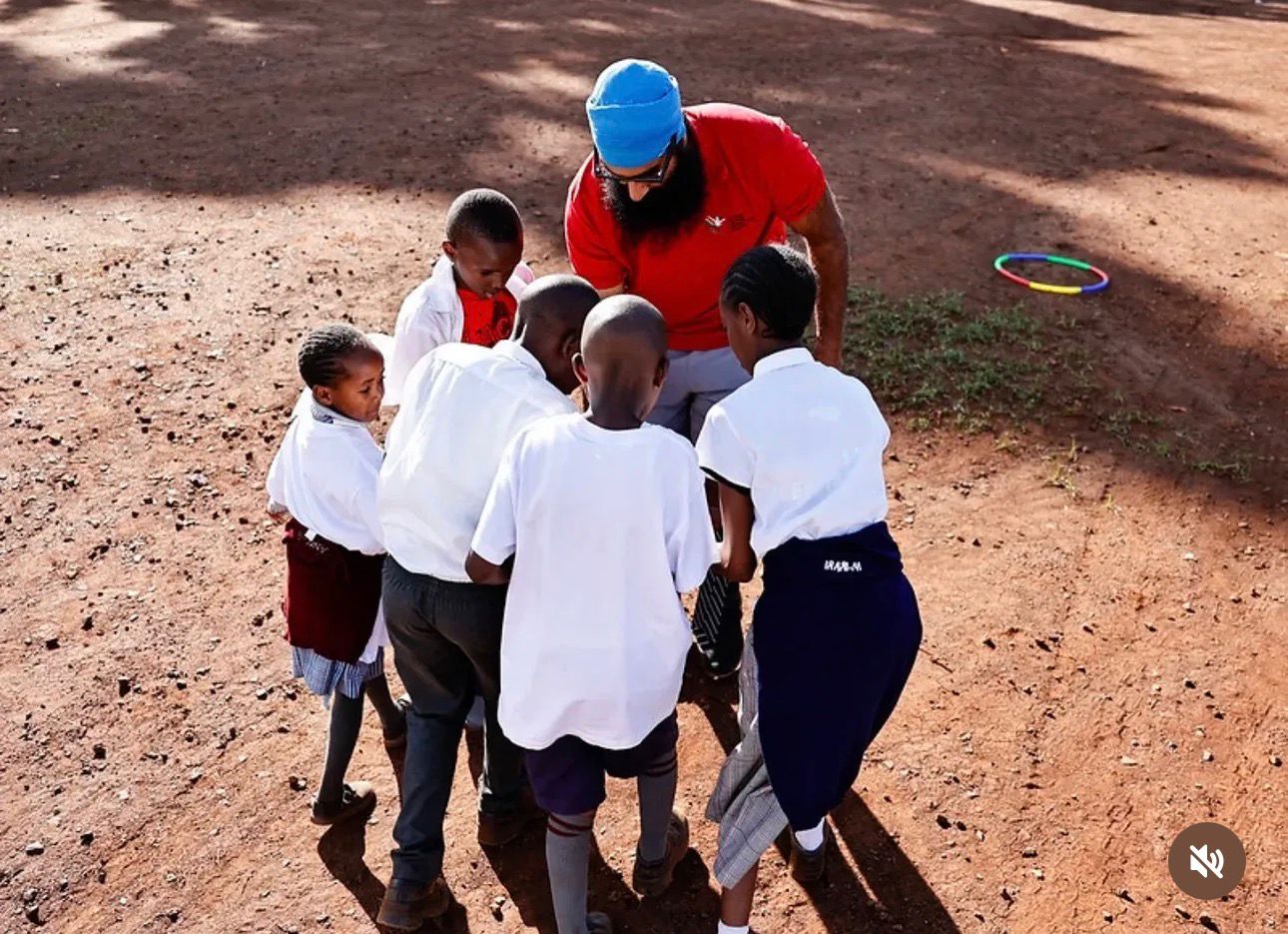
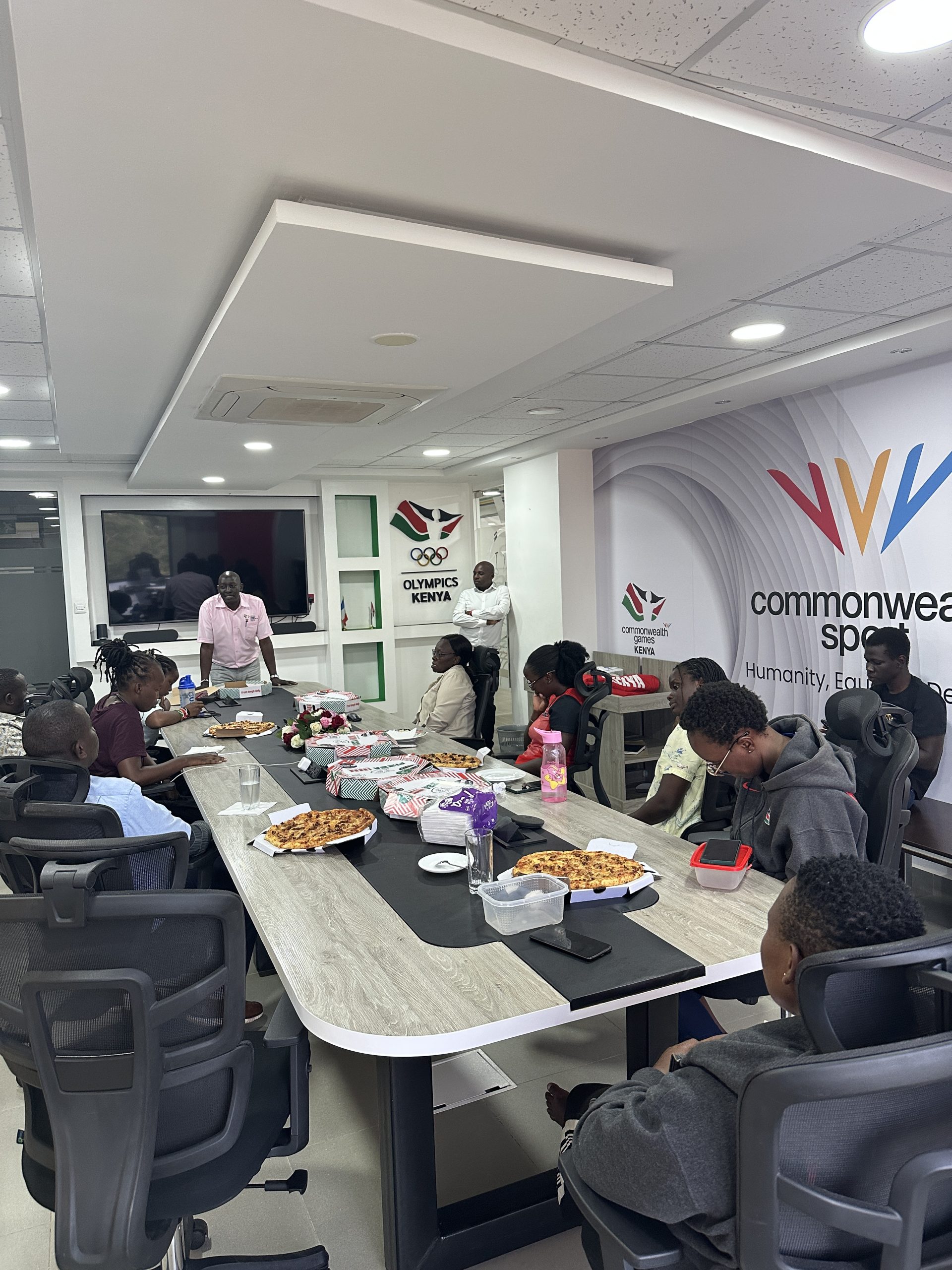
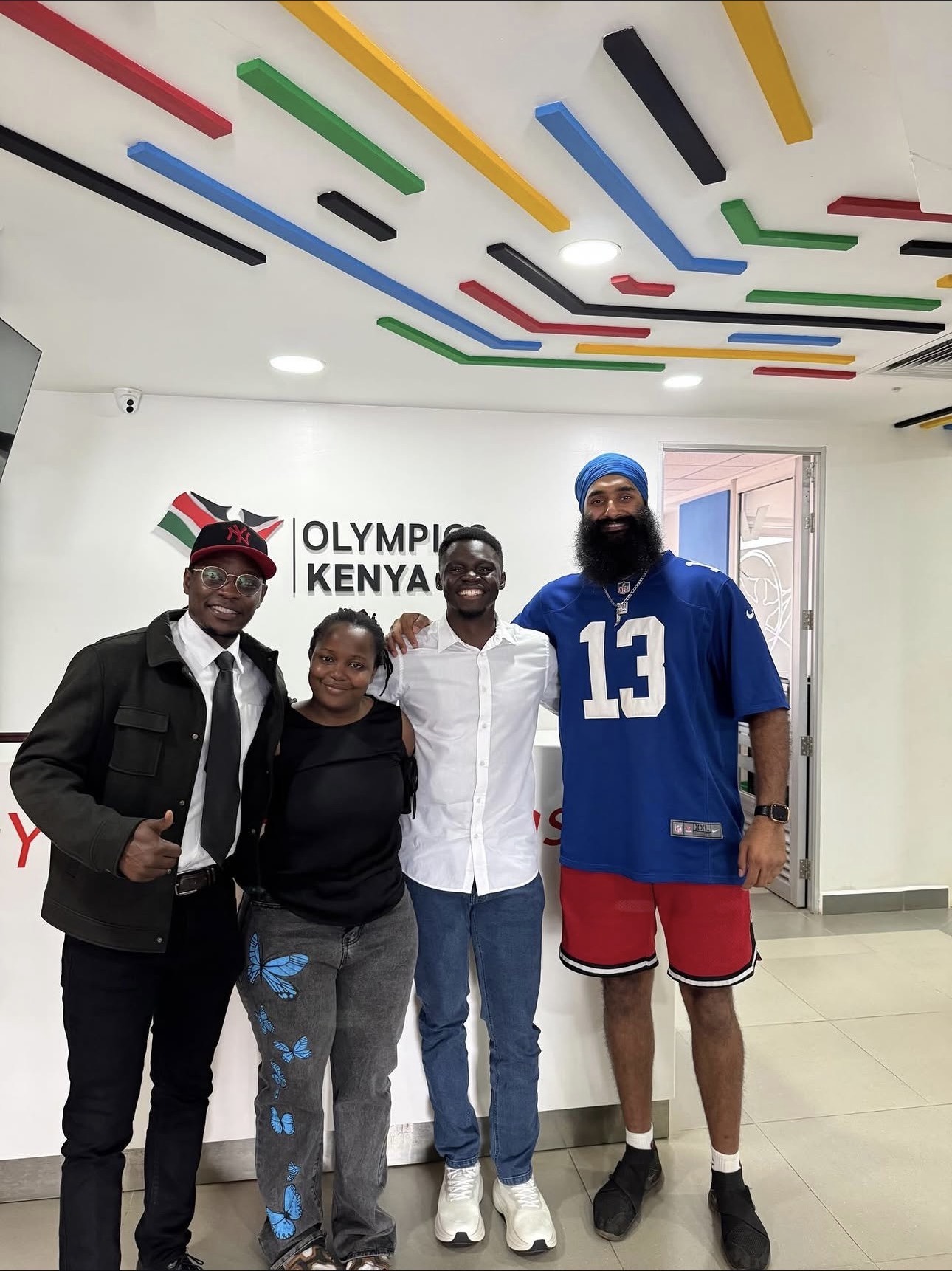
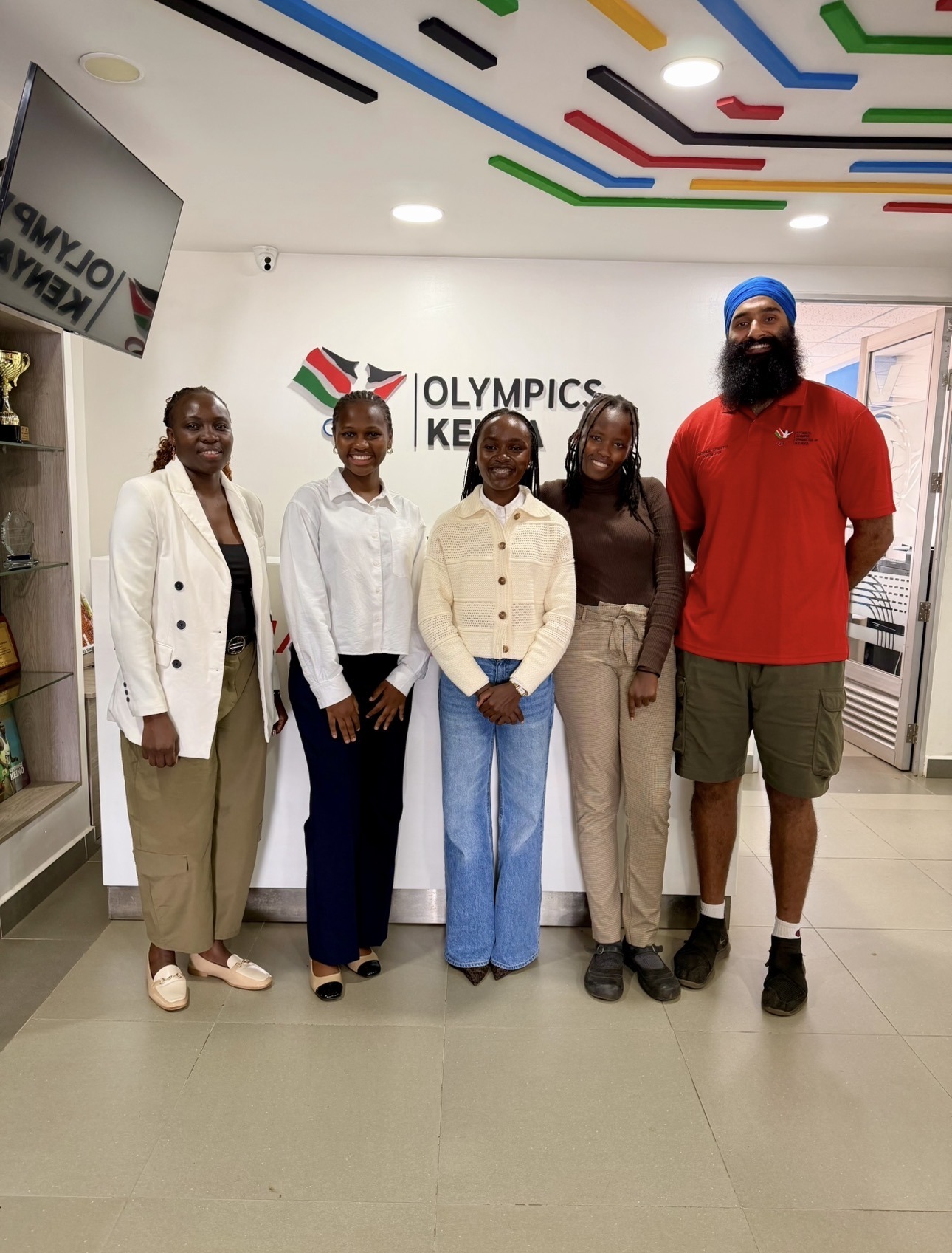
Working alongside teachers, coordinators, and the Cheza Healthy team throughout these events made another impact clear. Every person involved demonstrated a genuine commitment to supporting youth development through movement. Their engagement was not temporary or performative. It reflected a belief that small opportunities to move together can create lasting change. Seeing teachers interested in continuing activities beyond the event itself showed how programs like this extend their influence far beyond a single day.
Across each of these experiences, one theme continued to appear again and again. Movement creates possibility. For children, it builds confidence and curiosity. For youth facing difficult circumstances, it creates structure and belonging. For teams working together, it strengthens trust and collaboration. Cheza Healthy makes it possible to see health not as a short-term outcome but as something connected to longevity, sustainability, and everyday life.
Before arriving in Kenya, community health through sport often felt like a concept studied in classrooms. After participating in these events, it became something real and visible. It became clear in the excitement of students running between activity stations, in conversations shared during the Karura Forest ride, and in the openness of youth willing to speak honestly about their experiences at Kamiti. These moments showed how physical activity supports mental wellbeing, social connection, resilience, and identity development at every stage of life.
Each of these experiences also strengthened something personally. They confirmed how important sport psychology can be not only in elite performance environments but in communities as well. There is so much emotion connected to how people move, interact, and see themselves within a group. Watching students discover confidence, seeing teams persevere through challenges, and connecting with youth searching for direction made it clear that supporting the psychological side of sport is just as important as supporting the physical side.
Humans are naturally social. We look for connection, structure, and belonging in the groups around us. Programs like Cheza Healthy create those spaces in ways that support physical health while also strengthening emotional wellbeing and resilience. They help people recognize that movement is not only about fitness. It is about identity, opportunity, and community.
Being part of this work did more than create memories. It strengthened a belief that sport can shape healthier communities and more confident individuals when it is delivered with intention and empathy. Experiences like these show that movement is not only something we do. It is something that brings people together and helps them continue moving forward.
-Talvir