Written by Canadian SportWORKS Officer, Talvir Singh
Talvir’s international experiential learning experience is funded by the Queen Elizabeth Scholars (QES) Program. This collaborative initiative is made possible through the leadership of the Rideau Hall Foundation, in collaboration with Community Foundations of Canada, Universities Canada, and Canadian universities. Through its promotion of international student exchange and civic engagement, the QES program is helping to grow young Canadians into global citizens while promoting Canada as a destination for the world’s top talent and attracting top talent and international research leaders to Canada.
Habari kutoka Nairobi.
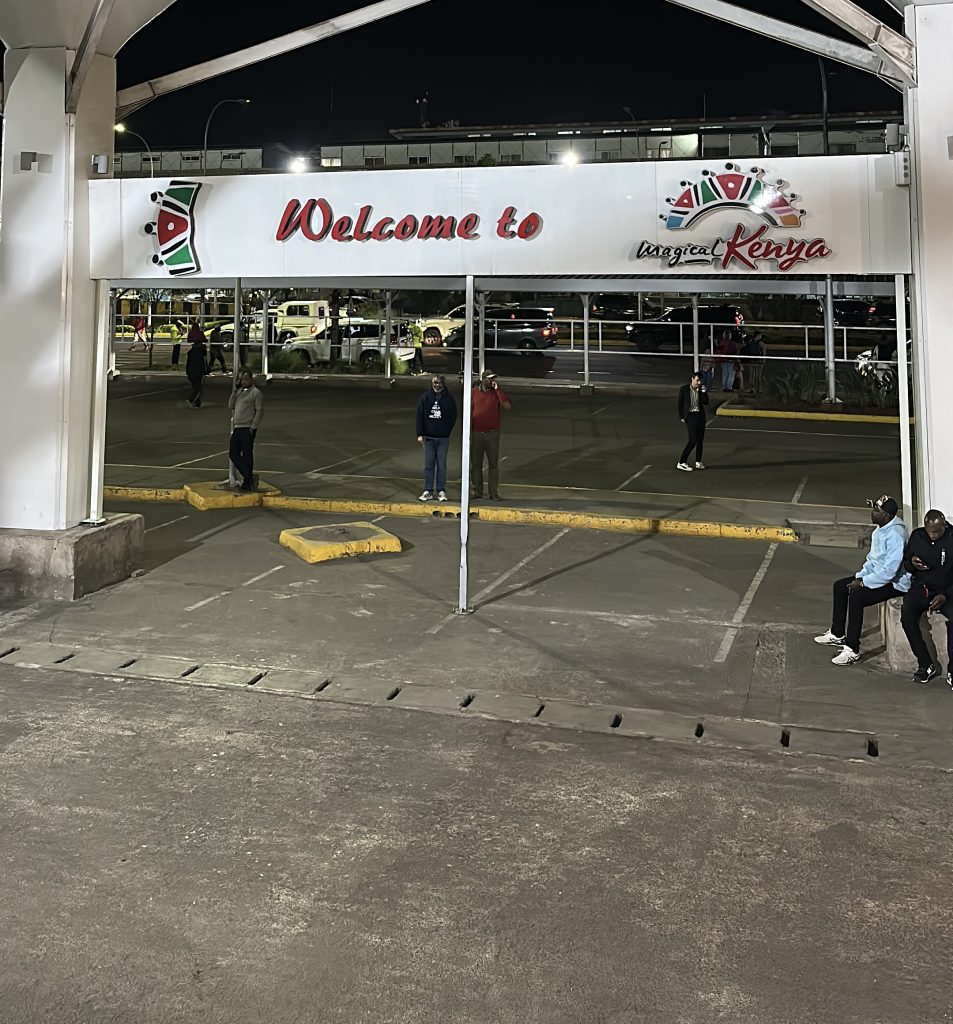
There is a version of Nairobi that you imagine before arriving, and then there is the version that meets you the moment you land. From the second you step off the plane, something shifts. The air smells different, the atmosphere feels more open, and the environment has a rawness to it that you cannot fully prepare for. The buildings feel less enclosed and more connected to the outside, and for a moment, it can feel unfamiliar in a way that is difficult to explain. It is not necessarily uncomfortable, but it is enough to make you realize very quickly that you are no longer operating within a system you understand.
As soon as you step outside the airport, the pace picks up immediately. People approach you asking where you are going, if you need a ride, and whether you have transportation arranged. It can feel overwhelming in those first moments. There is a level of pressure that can catch you off guard, especially if you are used to more passive environments. However, as time goes on, that feeling begins to shift. This is Nairobi. People are working. People are hustling. People are trying to survive and create opportunities for themselves. What might feel aggressive at first is simply part of how the city moves.
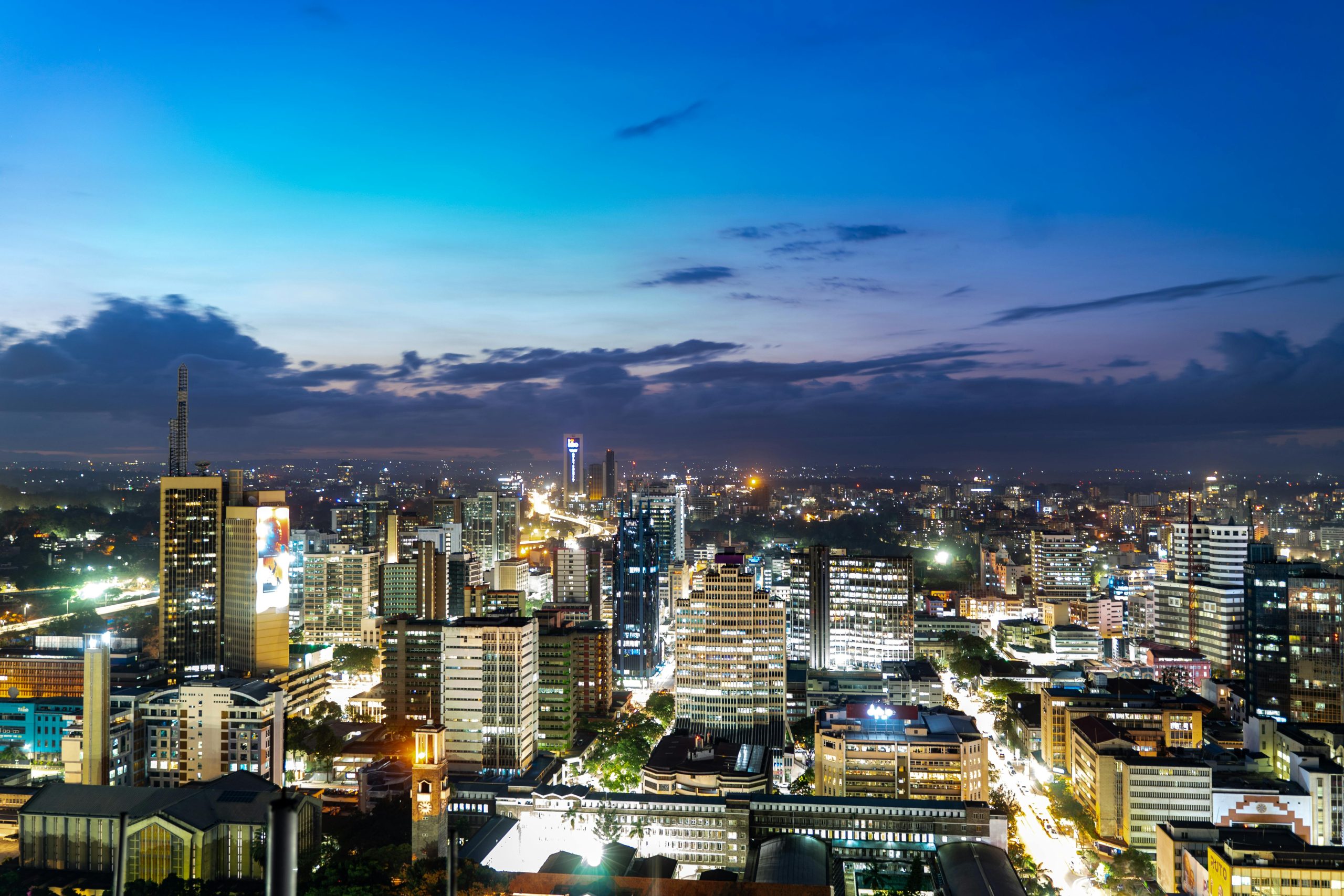
Very quickly, you realize that you cannot expect the environment to adjust to you. You have to learn how to move with it. That means being assertive, being aware, and making decisions quicker than you normally would. Nairobi does not slow down, and if you hesitate too much, you will feel left behind. There is a level of comfort that some people rely on to function, and here, you may not always have that. That becomes part of the learning process. Even the roads reflect that same energy. Traffic is constant, chaotic, and yet somehow functional. There are no clearly followed rules in the way you might expect, but everything still moves. You rarely see accidents, and you almost never see road rage, but you constantly hear honking. At first, it sounds aggressive, but over time, you realize it is a form of communication. It can mean thank you, move aside, or simply I am here. It is a different system, but it works.
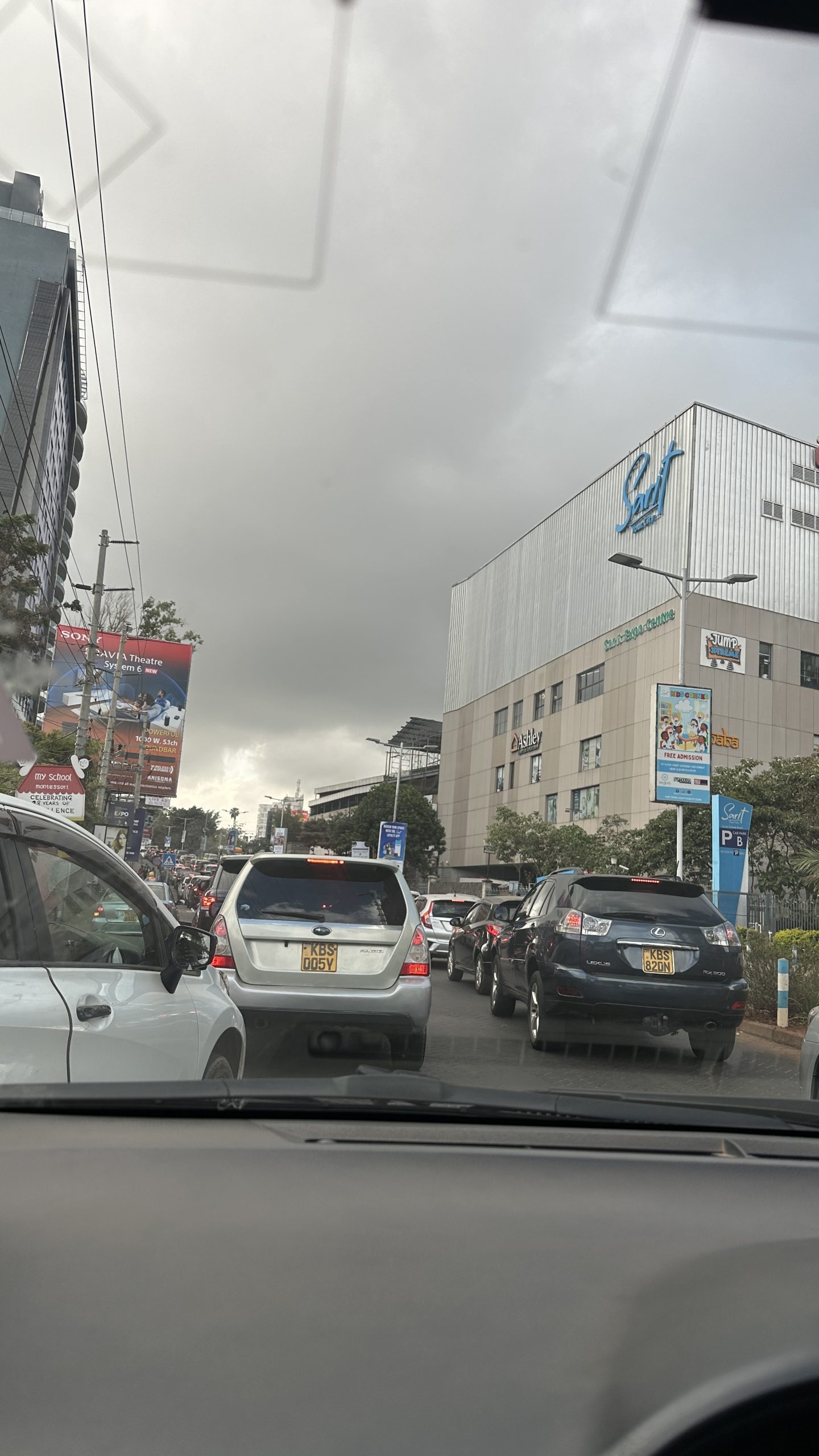
Getting around the city becomes its own adjustment. Matatus and boda bodas are everywhere, and they are the most common ways people move. For newcomers, Uber often feels like the safer and more familiar option, but even that comes with its own challenges. Traffic can turn a 5-minute drive into a 25-minute drive very quickly, especially during peak hours in the morning and late afternoon.
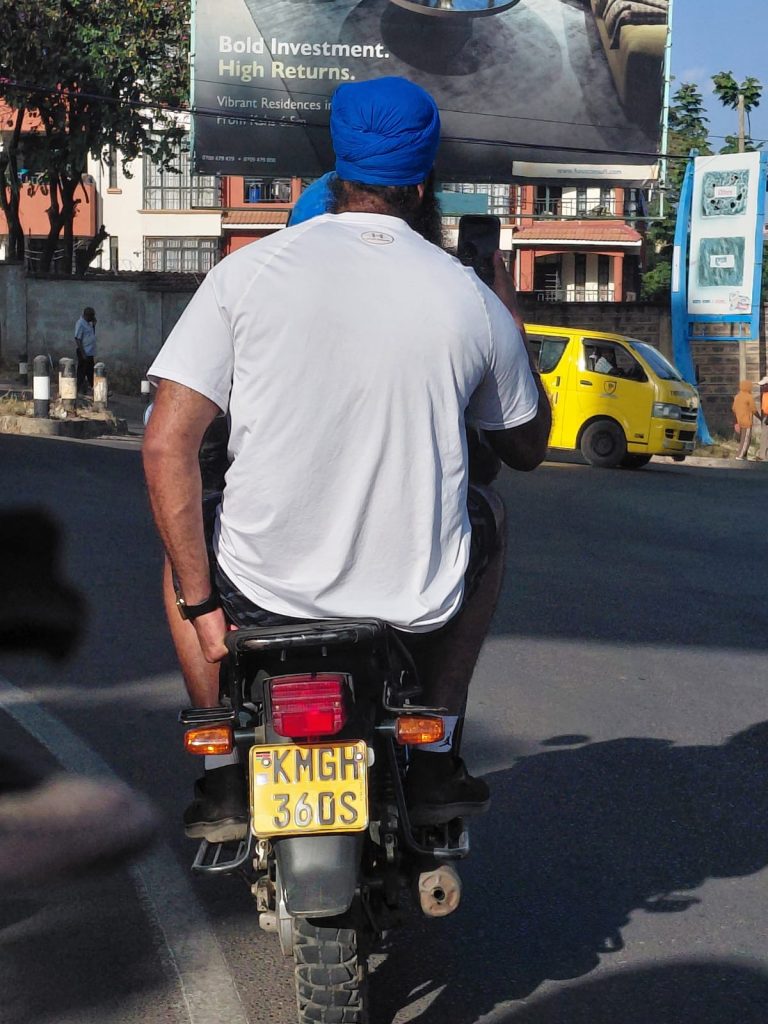
The only real shortcut is a boda boda, which is essentially a motorcycle that weaves through traffic with speed and precision. Boda bodas are efficient and affordable, but they come with risk. In most cases, they do not provide helmets, and they do not follow structured traffic rules. You are placing full trust in the driver, and it can feel intense if you are not used to it. Many people who stay in Nairobi for longer periods end up buying their own helmets just to protect themselves. It is one of those things that you would never think about before arriving, but it quickly becomes normal.
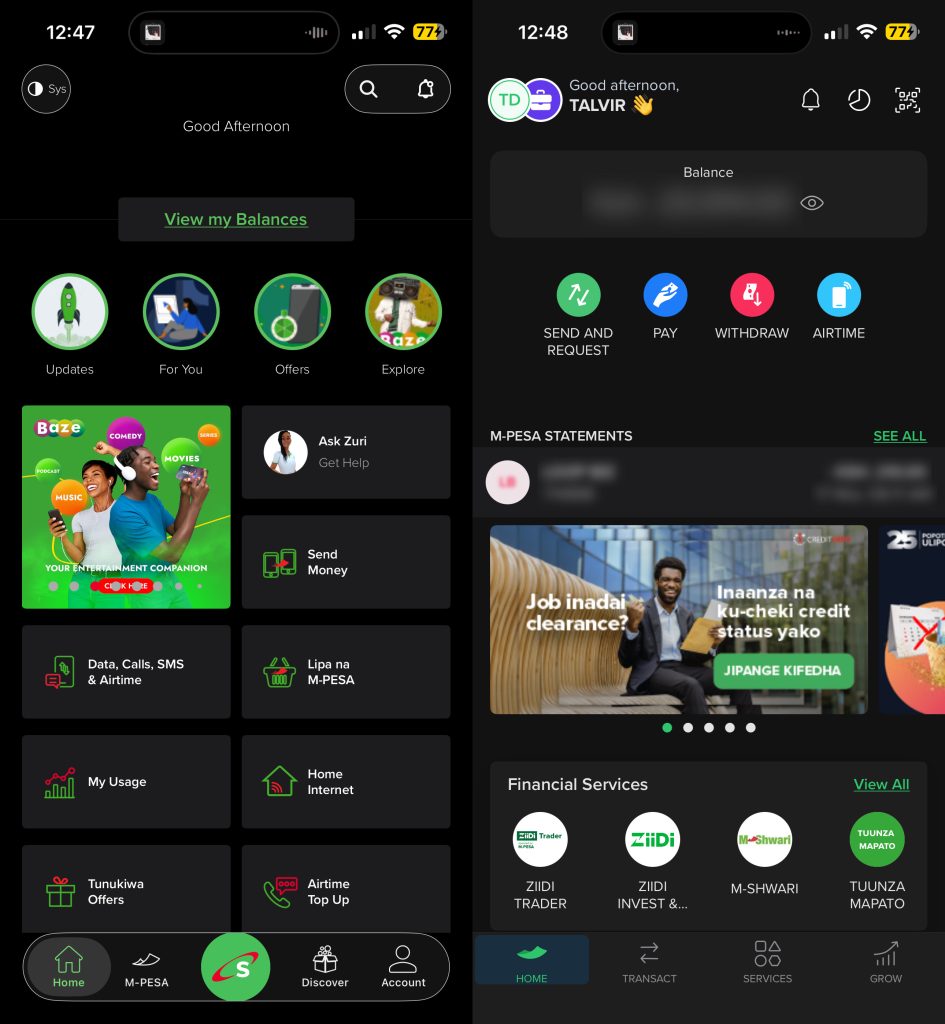
One of the first and most important things you should do when you arrive is set up a local SIM card and M-Pesa. Without it, daily life becomes unnecessarily difficult. With it, everything becomes accessible. You can pay for transport, groceries, food, and services instantly. It becomes second nature very quickly. Compared to systems back home, where you often have to go through multiple steps to manage your phone plan or payments, this is immediate and efficient.
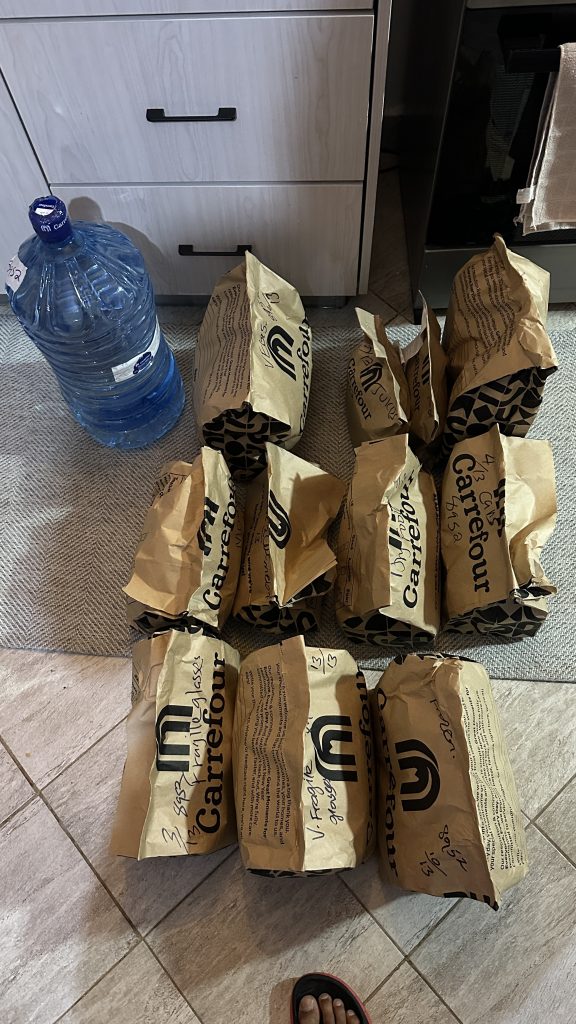
Groceries are another interesting adjustment. Stores like Carrefour offer delivery that is fast, affordable, and reliable. It is very different from what you might be used to, especially when compared to services that increase prices for convenience. Here the pricing remains consistent, and delivery is accessible. At the same time, you will also see many small roadside vendors where you can purchase items and pay using M-Pesa. It creates a balance between modern convenience and local systems.
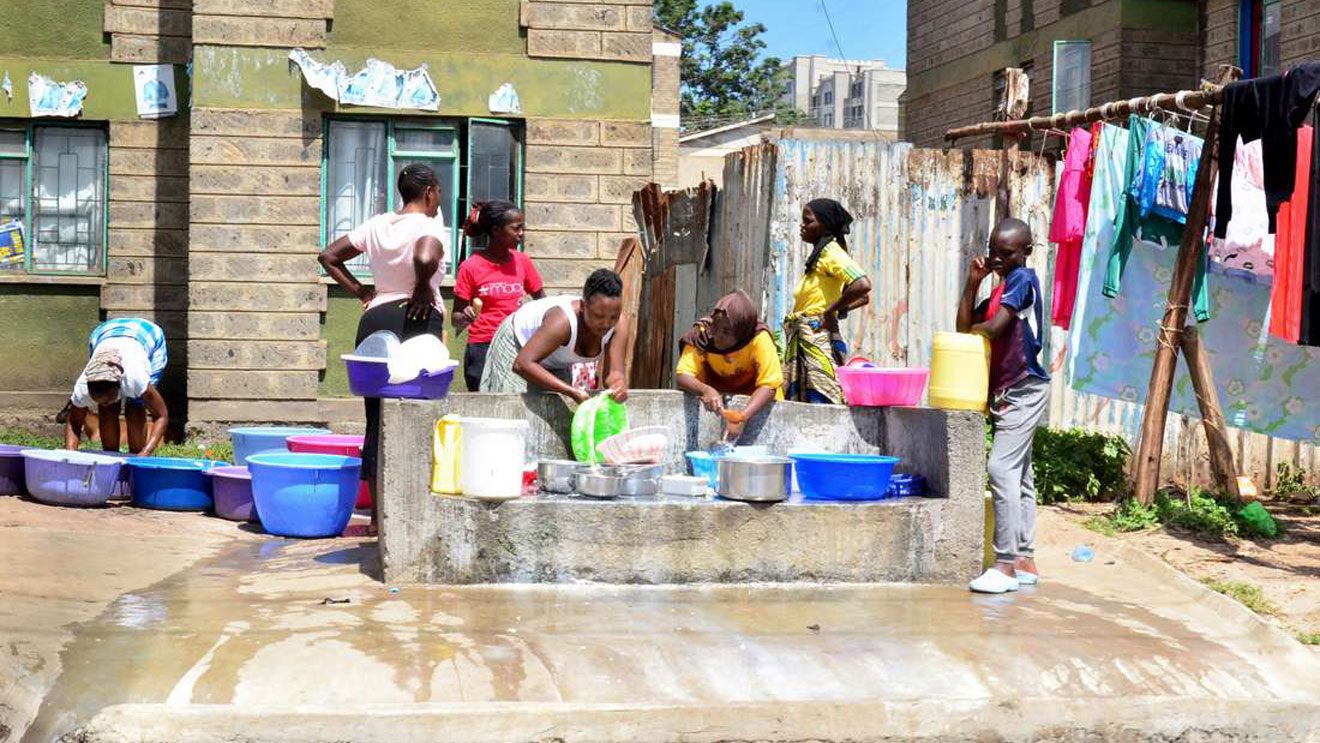
At the same time, some adjustments require you to be prepared. Power can go out without warning. Sometimes for a few hours, sometimes for much longer. There were moments when I went almost two full days without electricity. In those situations, you realize very quickly how important it is to have a power bank and backup plans. Your phone becomes your main way of communicating, navigating, and staying connected, so keeping it charged is essential. Water is another adjustment. It is fine for washing your face or brushing your teeth, but not for drinking. You learn to rely on water stations that are accessible and affordable. These are small habits, but they become part of your daily routine very quickly. Even something as simple as laundry changes. Having access to a washing machine is not guaranteed, and for many people, it is considered a privilege. You either hand-wash your clothes, take them to a laundromat, or use services available around you. It is another reminder that everyday tasks can look very different depending on where you are.
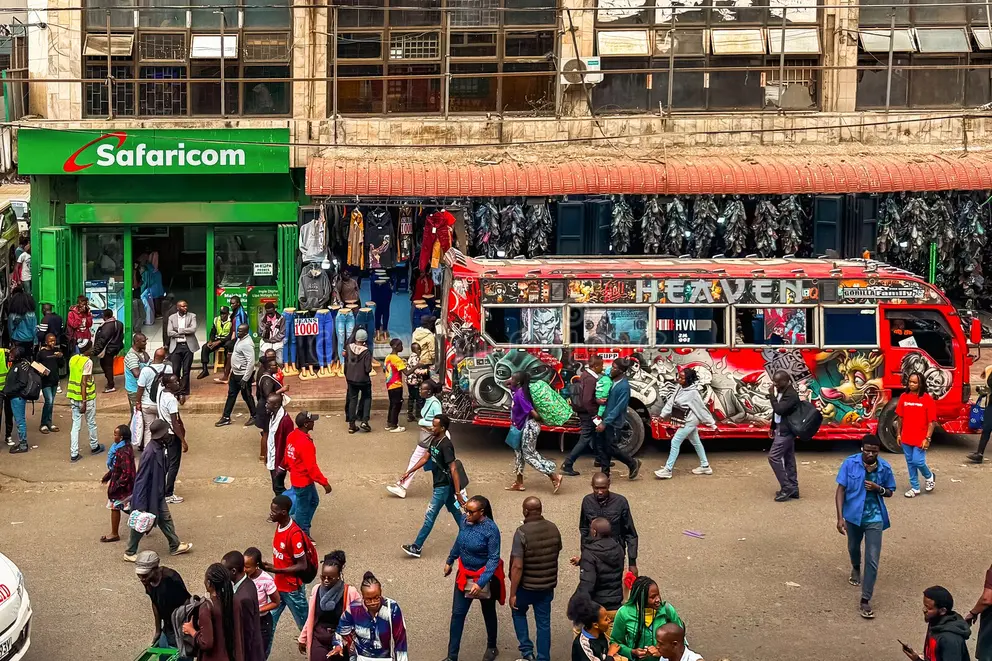
Safety is something you become more aware of almost immediately. You learn to stay alert, to keep your belongings secure, and to pay attention to your surroundings. Areas like the CBD, often referred to as “town”, are busy, chaotic, and full of people. They are also areas where you need to be especially cautious. You stand out, and that can make you a target if you are not aware. It is always best to go with someone you trust, ideally someone local, and to avoid putting yourself in situations where you feel unsafe. There are also situations where people may try to take advantage of you, whether through distraction or by pretending to be friendly. Words like rafiki, meaning friend, can be used to build trust quickly. It is important to stay grounded, trust your instincts, and prioritize your own safety. You are your first and last line of defence in unfamiliar environments.
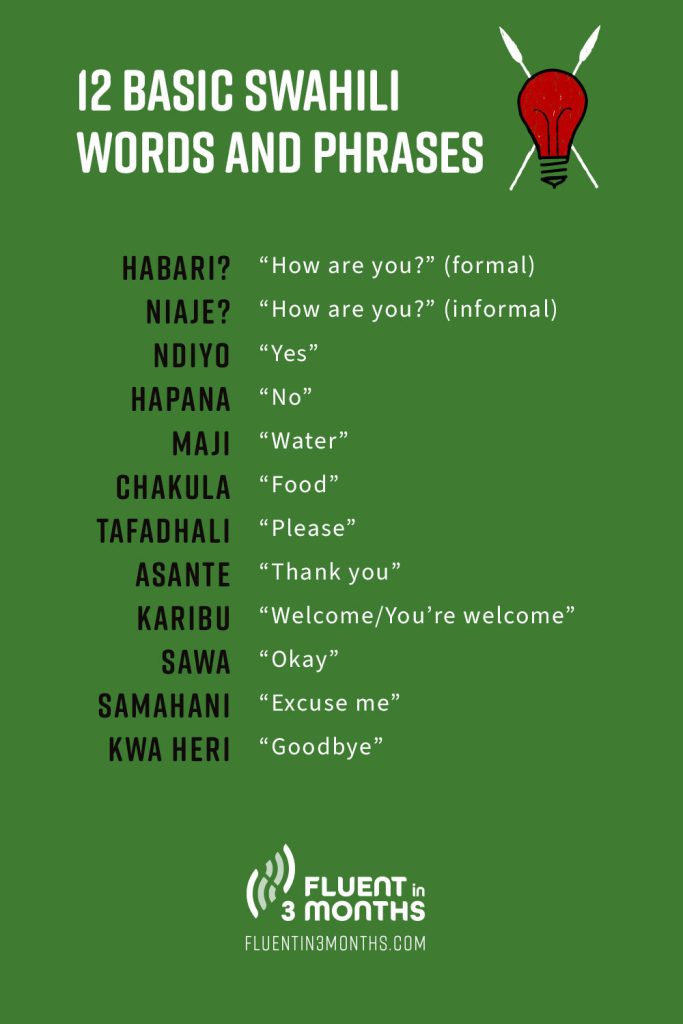
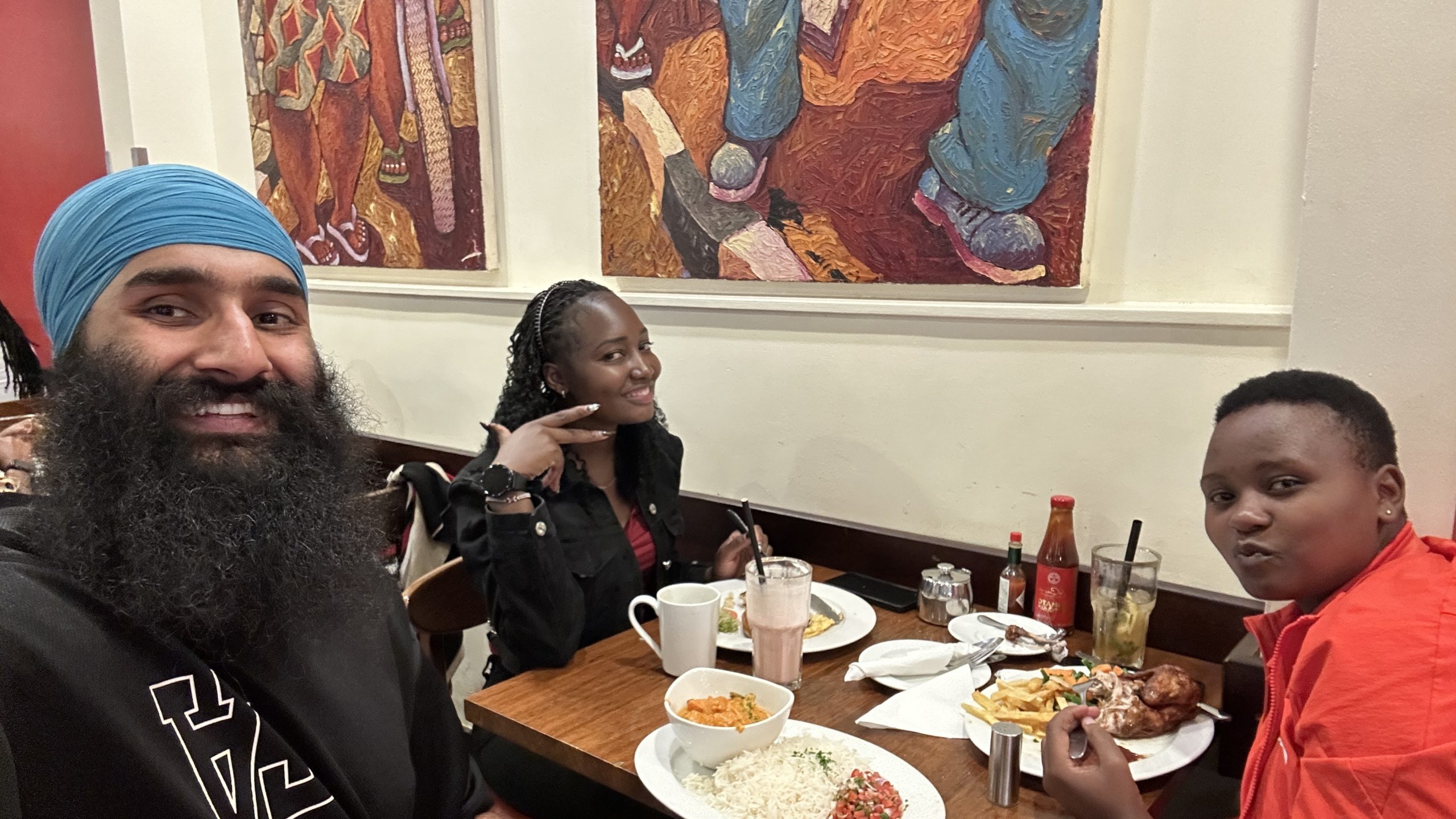
At the same time, it is important not to let caution turn into fear. Kenya is one of the friendliest places I have experienced. People are kind, welcoming, and genuinely willing to help. The level of service, humility, and care that you receive stands out in a way that is difficult to describe. There is a strong sense of community, and it shows in everyday interactions. Language becomes part of that connection. Kiswahili is a common language spoken here, but English is very familiar to the majority of Kenyans. Simple words go a long way. Saying sasa to greet someone, responding with mzuri sana, or saying asante sana when you are leaving an Uber shows respect and effort. Even something as simple as saying sawa helps create understanding. These small moments build relationships in ways that matter.
Another realization that stood out to me was how often we label places without truly understanding them. The term third world country is something I heard growing up, but being here made me realize how inaccurate and limiting that label is. Nairobi is developing rapidly. There are skyscrapers, modern apartments, large malls, and infrastructure that continues to grow. At the same time, there are challenges, especially with drainage and road systems during heavy rain. When it rains, parts of the city flood, traffic slows down significantly, and everything feels like it comes to a pause. It highlights both the progress and the gaps that still exist. What stands out the most, though, is the resilience of the people. You see individuals working long hours, pushing through challenges, and continuing to move forward without complaint. From my perspective, it can look difficult, but for many, it is simply everyday life. That perspective alone changes how you view effort, consistency, and what it means to keep going.


There are also personal moments that come with being away from home. There are times when I find myself thinking about Babu and wishing she could be here experiencing this with me. Seeing dogs around the city reminds me to be cautious, as some may have been hurt or hungry, but it also reminds me of home and whos waiting for me. Those small thoughts carry weight when you are adjusting to a completely new environment on the other side of the world.

Looking back on those first few weeks, one thing becomes clear. Nairobi is not a place you fully understand right away. It is something you grow into. It challenges your expectations, your routines, and your comfort. At times, it can feel overwhelming, but it is also deeply rewarding.
If there is one mindset to carry with you, it is this. Hope for the best, but prepare for the unexpected. Nairobi will test you in ways you do not anticipate, but it will also teach you how to adapt, how to stay aware, and how to move forward.
And over time, what once felt unfamiliar starts to feel like something you are becoming a part of.
More updates on the Cheza Healthy journey will be coming soon stay tuned for my adventures.
Warm regards Tutaonana,
Talvir Singh