Written by Becky Kolberg, Canadian SportWORKS Officer, Sport for Newcomers Ottawa
Before starting my placement with Sport for Newcomers, if someone had asked me what sportsmanship meant, I probably would have given the standard answer: show respect for fellow athletes and officials, follow the rules, and shake hands after the game. This placement didn’t change my definition of sportsmanship, but it changed where I noticed it.
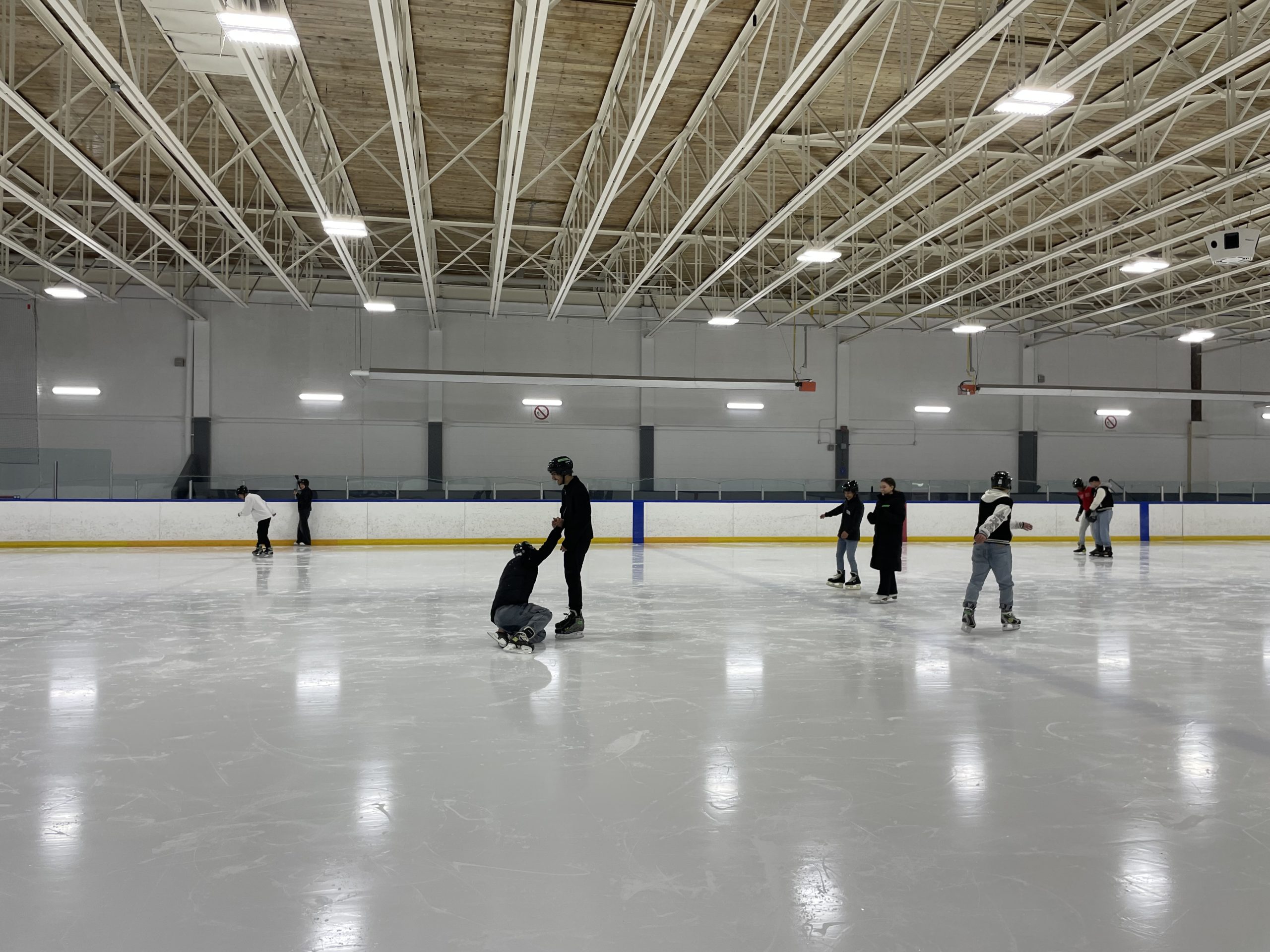
I saw sportsmanship in the conversations, encouragement, and everyday acts of support. Sometimes it meant explaining a rule instead of assuming everyone already knew it. Other times, it was helping someone lace up their skates, celebrating a first successful pickleball rally, encouraging a teammate to keep shooting, or making a life jacket feel like just another piece of equipment. It was also being patient while someone learned to strike a badminton birdie or simply reminding them that trying was enough. Those moments often shaped the entire experience.
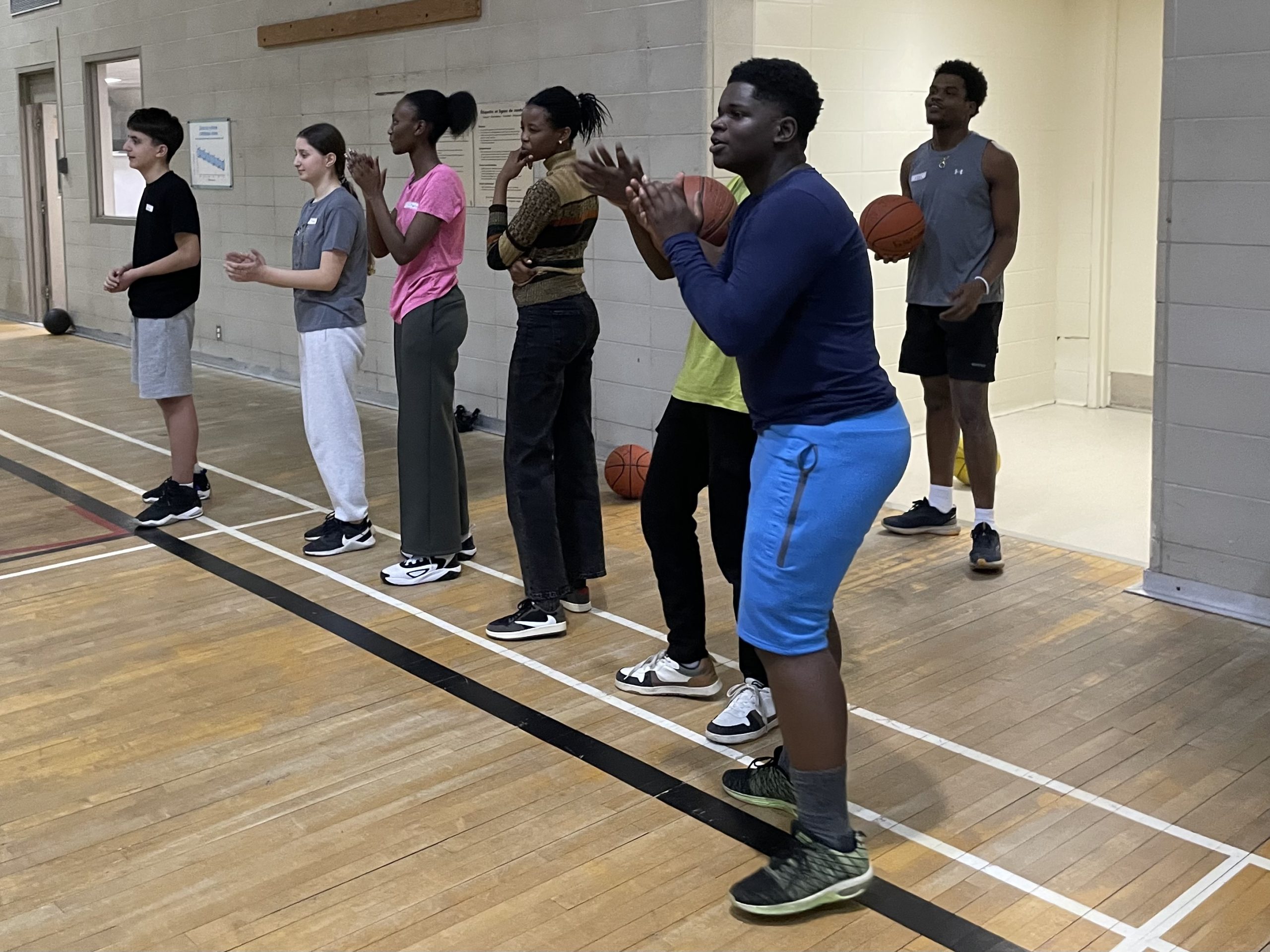
During basketball, one relay activity required every participant to dribble the length of the court, score a basket, then repeat the process on their return before the next teammate could go. The strongest players couldn’t complete the challenge alone; everyone had to succeed together. Everyone touched the ball. Everyone had the chance to contribute. The biggest cheers weren’t for the quickest baskets; they were also for the teammate who finally made their shot after several attempts.
I saw it again during our outdoor camp. During lunch, participants were given access to a few badminton racquets, volleyballs, and soccer balls. Without any direction from staff, they organized themselves into games, invited others to join, and spent the break simply enjoying being active together. Nobody was keeping score. They were just playing.
As I planned each session, I came to appreciate that every participant started from a different place. Some had never skated before. Others had never been in a swimming pool or picked up a pickleball paddle. Many knew soccer well. Sportsmanship meant recognizing those different starting points and creating opportunities for everyone to learn without judgement.
Soccer challenged me to think about sportsmanship more than any other activity. When I first observed one of the monthly open gym soccer sessions offered through the YMCA of the National Capital Region’s Newcomer Youth Leadership Development (NYLD) program, I quickly learned how popular and competitive soccer was among the youth. Rather than trying to change that competitive spirit, we designed our Soccer Skills & Play session to broaden what success looked like. Alongside gameplay, participants learned warm-ups, movement preparation, and conditioning before moving into structured games where teamwork and equal playing opportunities were prioritized.
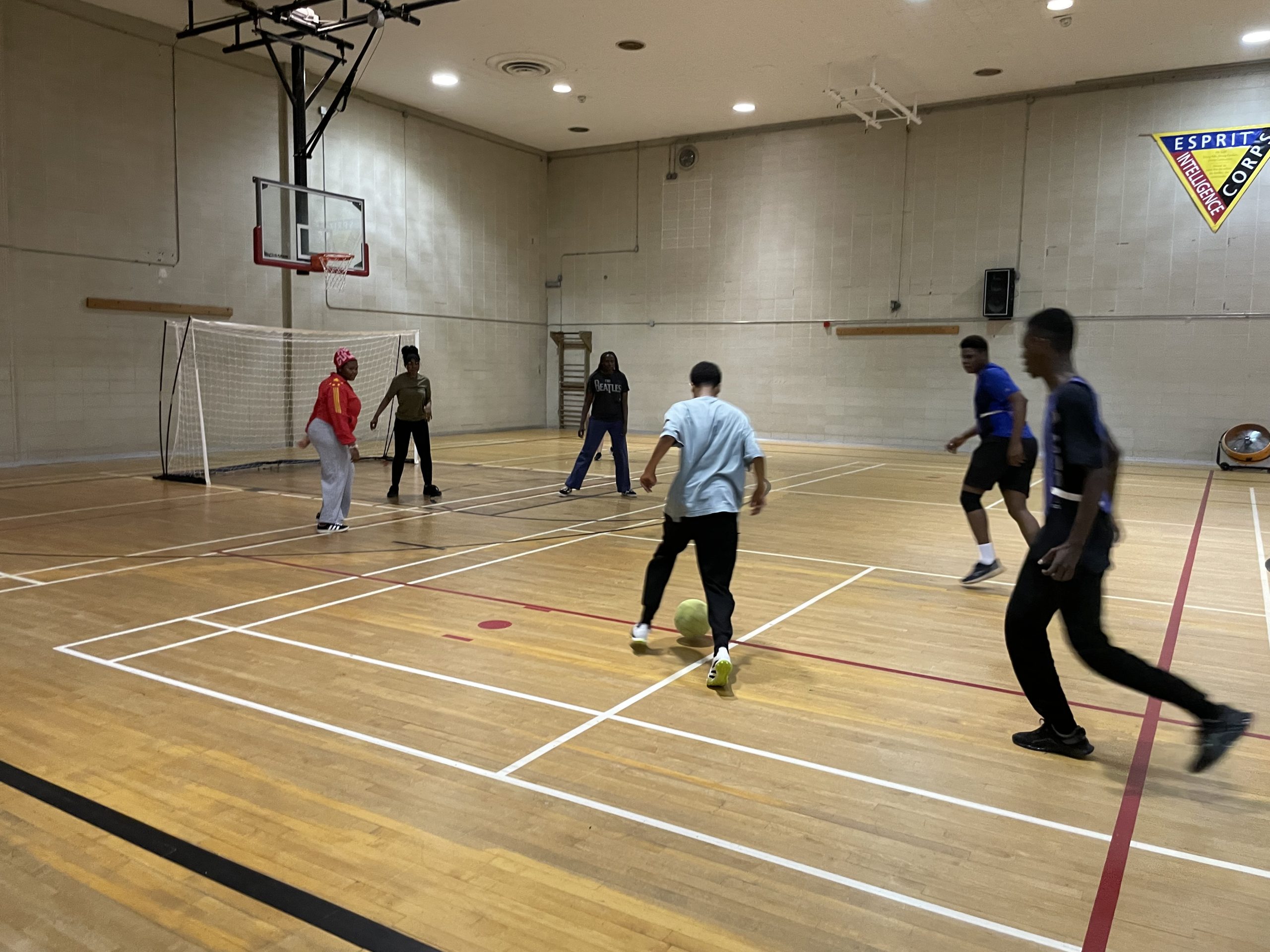
Among the regular group of boys, three girls who had previously attended our girls-only soccer session joined in. They asked to play on the same team, and we paired them with teammates we knew would help set a positive tone for the game. The competition remained just as strong, but nobody questioned who belonged on the field. While some participants challenged the structured rotations and equal playing opportunities because it differed from how they normally played, those decisions ensured everyone had the opportunity to contribute. Afterwards, one participant shared that she appreciated being treated the same as everyone else.
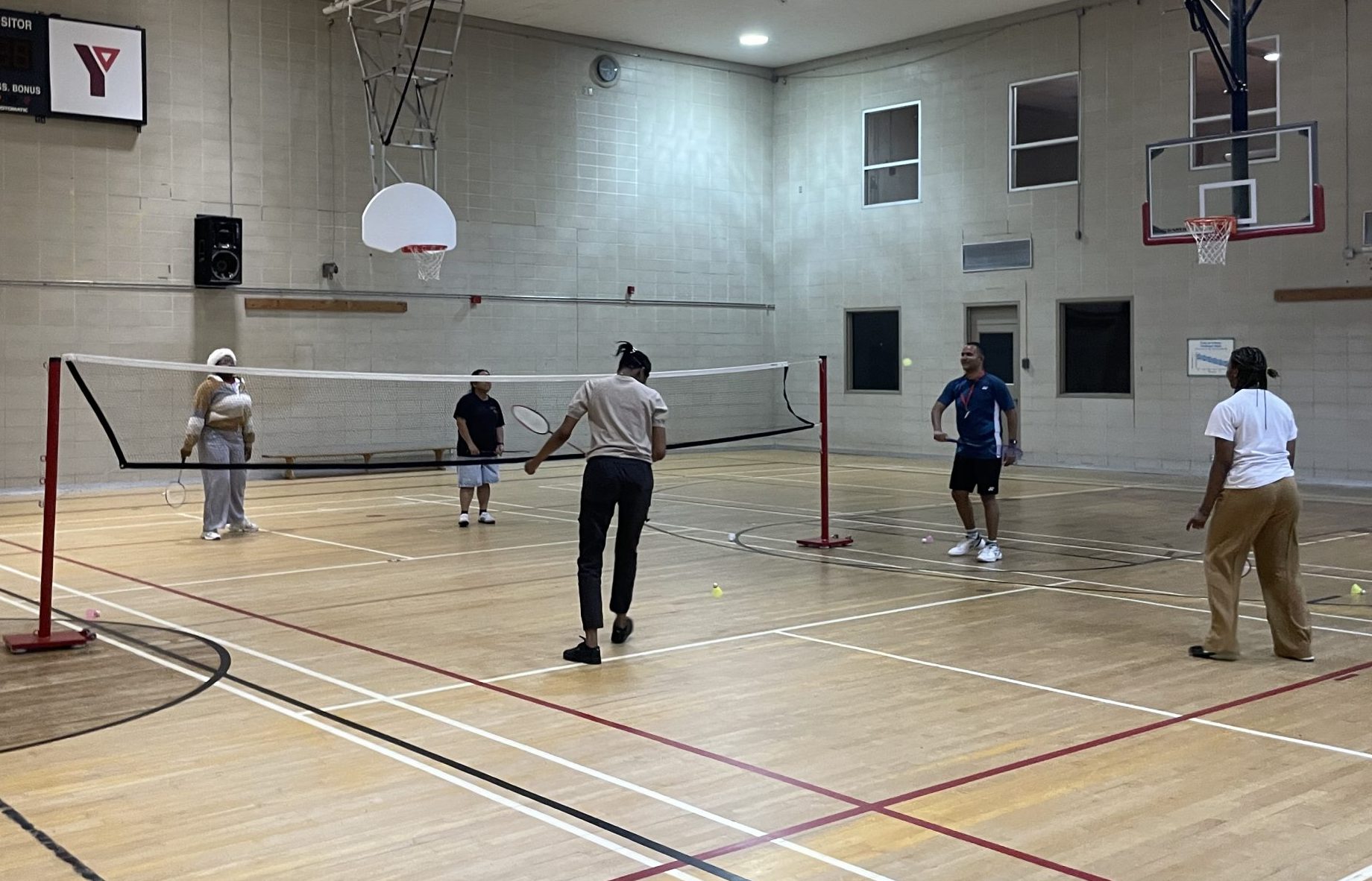
Looking back, I see that many of those small moments were modelled by the instructors. They slowed down to explain skills, adapted activities to provie extra support, celebrated effort, and encouraged people to keep trying. Participants often carried those same behaviours forward in the way they supported one another.
One observation near the end of my placement brought everything together. As our Sport for Newcomers sessions were wrapping up, I attended another regular NYLD open gym soccer session. The atmosphere felt noticeably different from similar sessions I had observed earlier in the spring. Not everyone there had participated in Sport for Newcomers, yet more girls joined the game, and participation felt more natural than I had observed earlier in the spring. As I watched, teammates casually helped one another with positioning, encouraged players to step outside their comfort zones, shared the ball, and celebrated good plays regardless of who made them. When the girls began scoring, applause came from both teams. None of these moments felt unusual or prompted, they simply happened as part of the game.
I can’t attribute this to any single session or program, but it reminded me that culture is built over time. It grows through every encouraging coach, every teammate who chooses to pass instead of dribble alone, every participant who patiently explains a rule, and every opportunity to help someone try something for the first time. Those moments may seem small, but together they shape the culture of sport.
– Becky